Tide
Tide describes periodic movement in water and other systems that respond to repeating gravitational and pressure cycles.
Favorable in sanctioned battle Water about +15% damage → A damaging Tide technique receives the favorable matchup once when the target carries the listed Current.
Resisted in sanctioned battle Sand about −15% damage → A damaging Tide technique receives the resisted matchup once when the target carries the listed Current.
Native technique about +5% damage If a creature naturally carries Tide, its damaging Tide techniques receive a separate native-attunement benefit.
If a hit would otherwise deal 100 damage, a favorable matchup makes it roughly 115 and a resisted matchup makes it roughly 85. Attack, Defense, guarding, conditions, critical hits, and battle variance still affect the final number.
Natural record
7 documentedSpecies observed with Tide
These species dossiers carry Tide in the current public Collegium catalog.
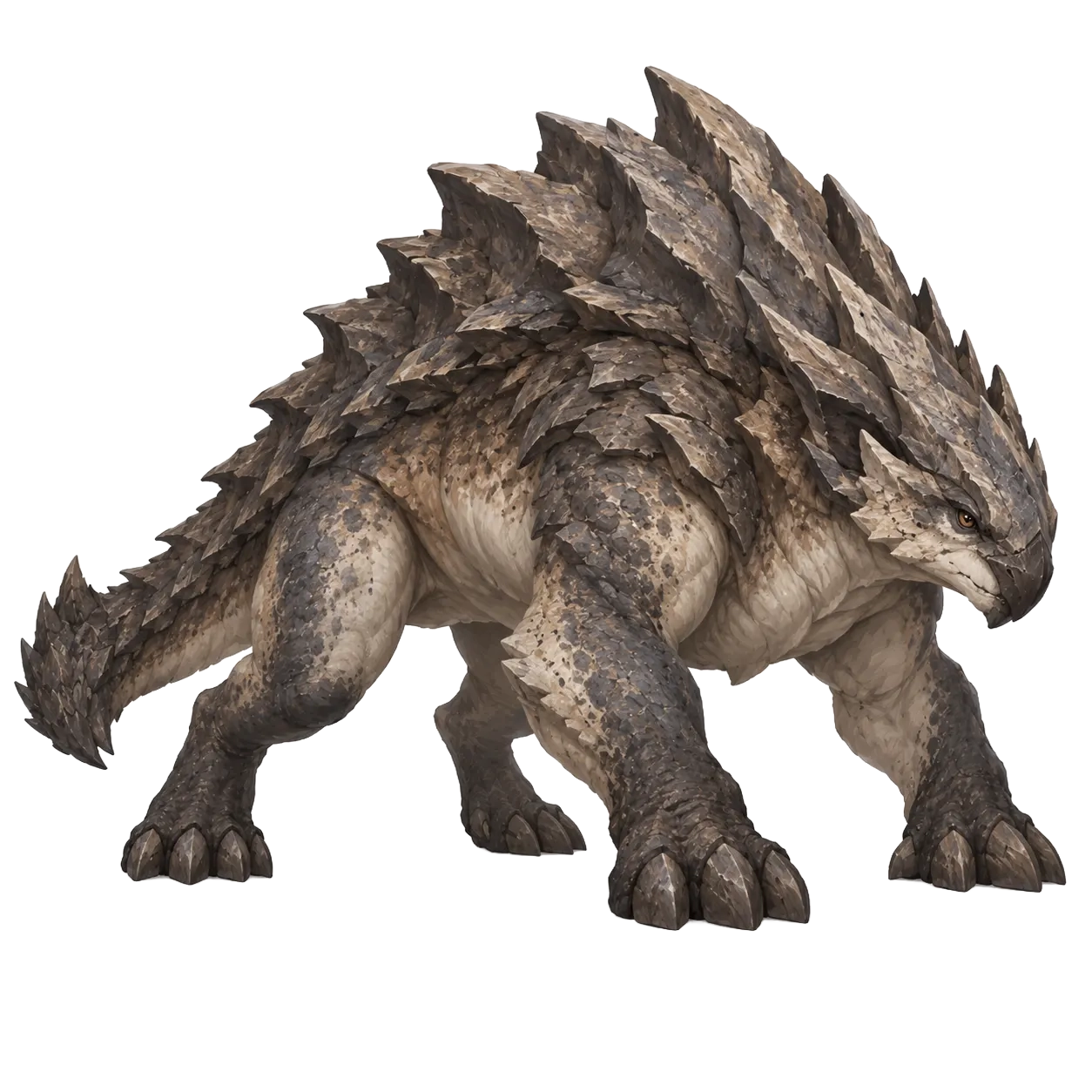
Breakerback Breakerback are enormous semi-aquatic fenborn with a flexible armored spine and broad webbed feet.
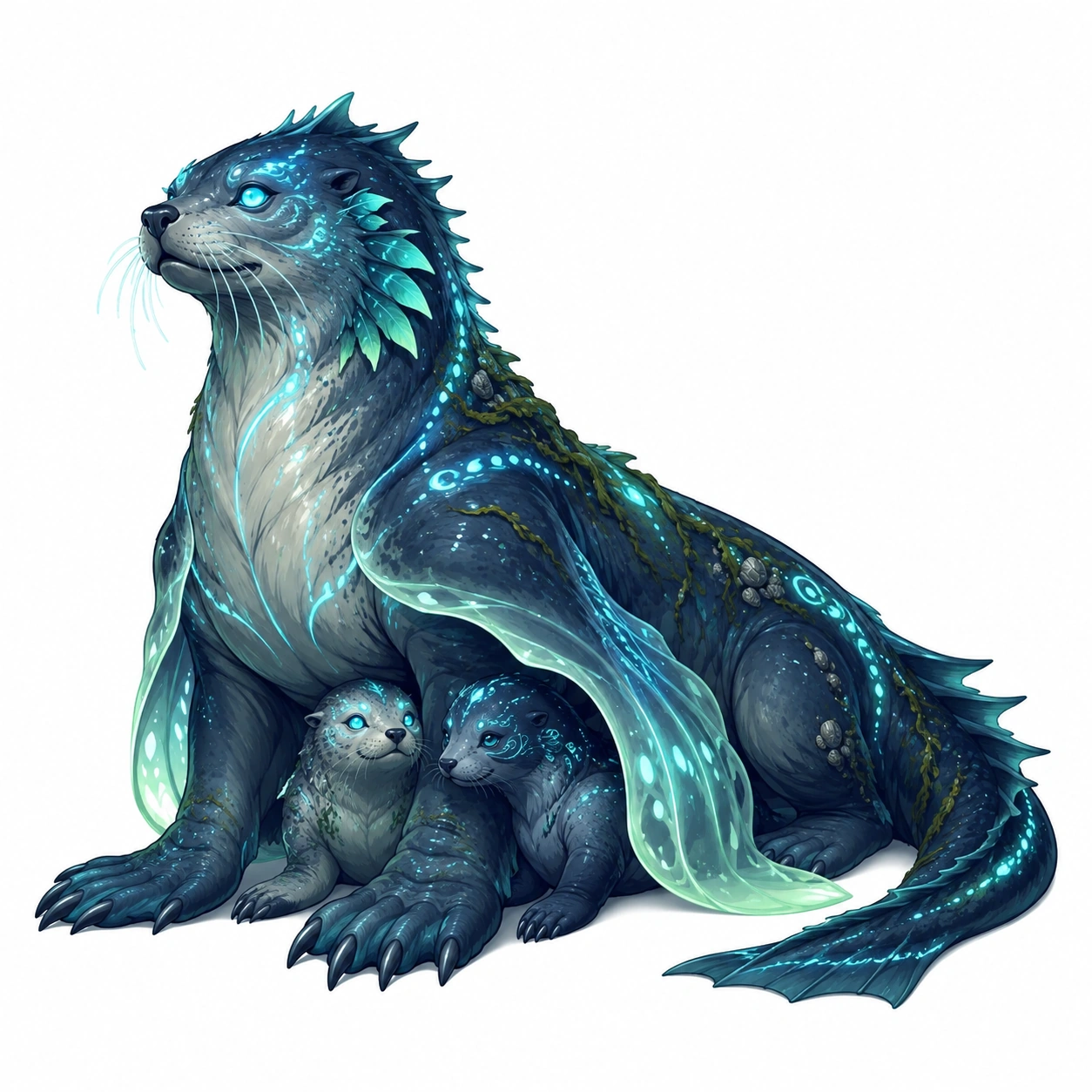
Havamor Havamor are broad coastal fenborn with powerful forelimbs, protective membranes, and a social tendency to carry unrelated juveniles toward nursery shelter.
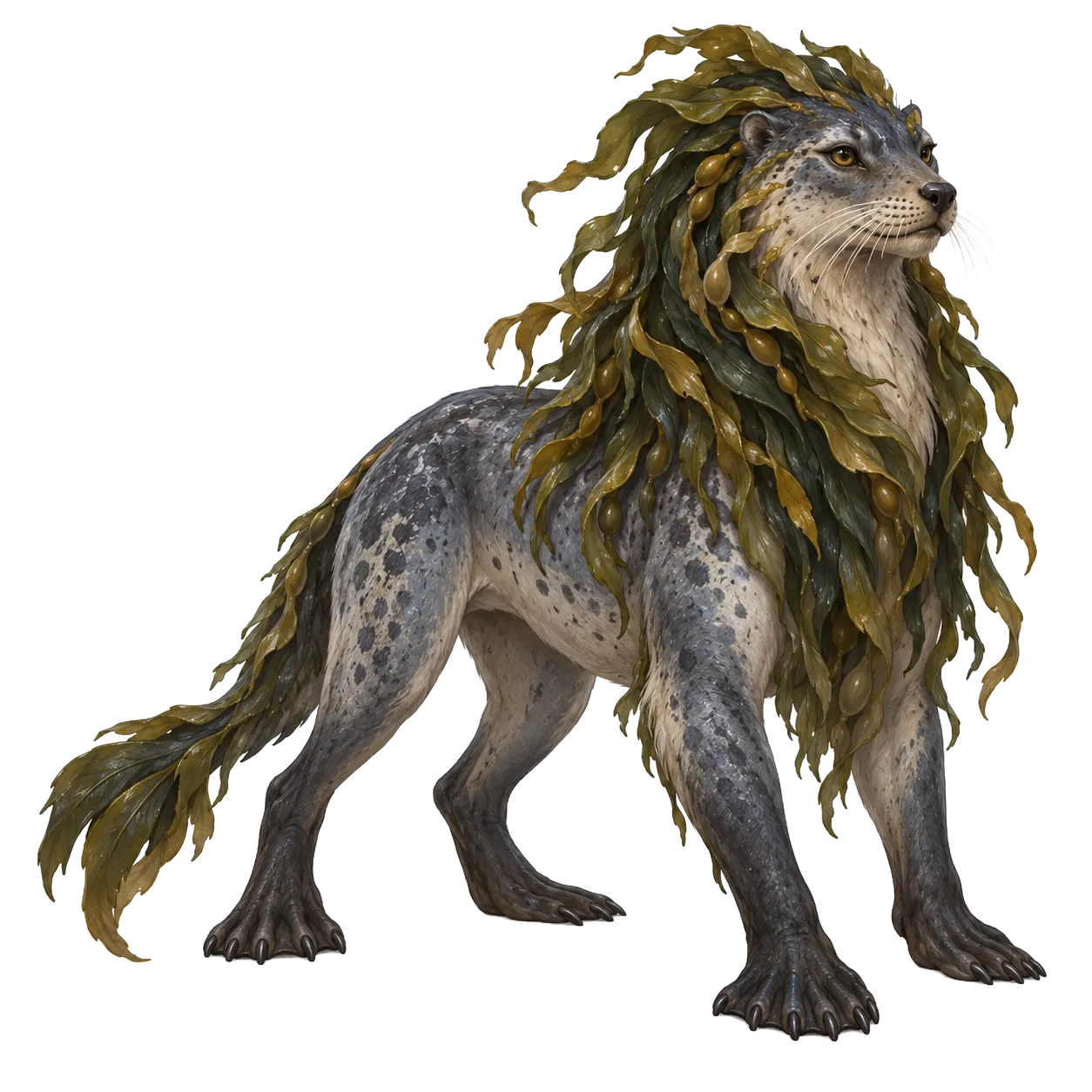
Kelpmane Kelpmane are muscular coastal fenborn with long ribbon-like neck filaments that resemble kelp blades when held motionless.
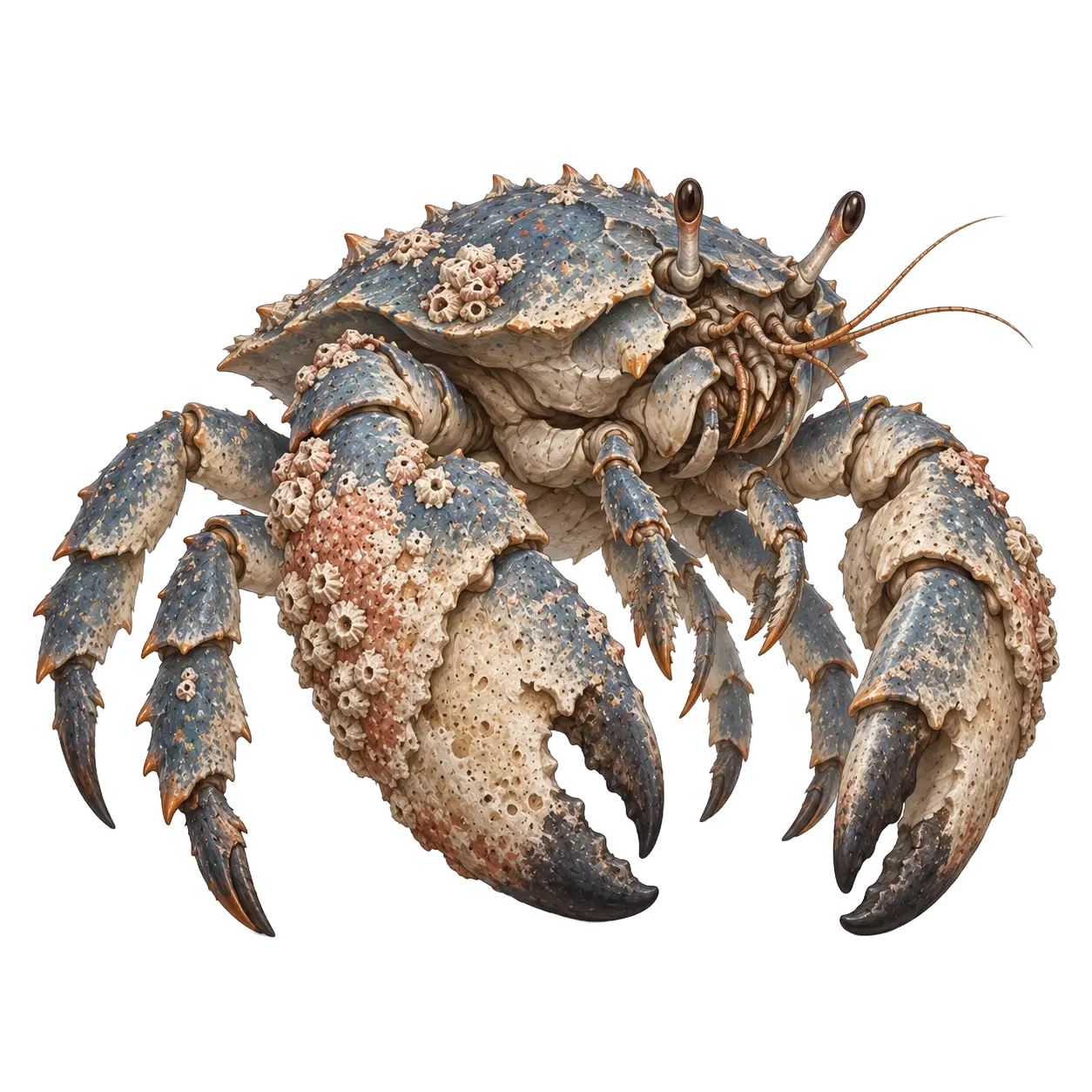
Reefknuckle Reefknuckle are broad-bodied crustacean-like fenborn with two reinforced striking forelimbs and smaller dexterous feeding arms.
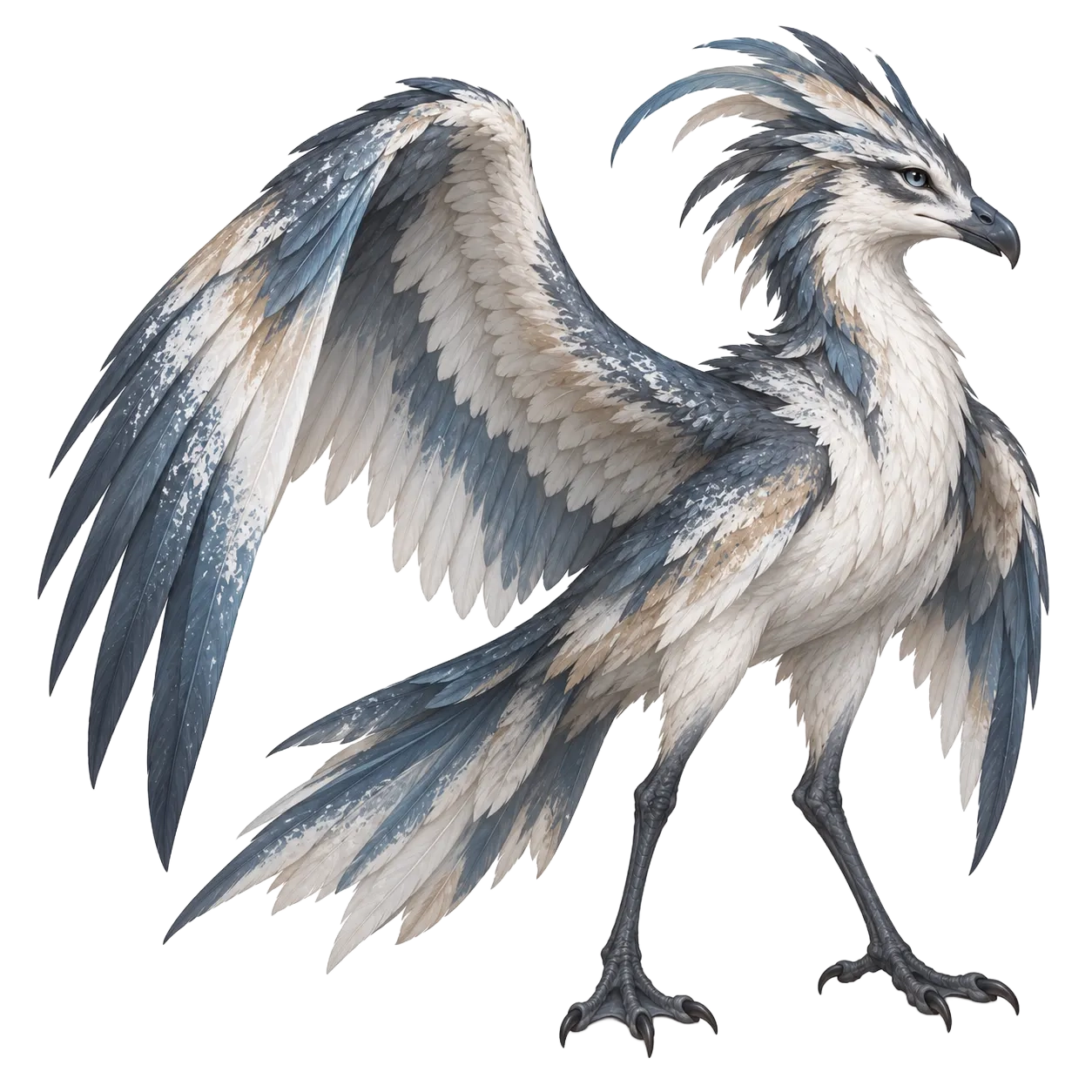
Saltwing Saltwing are long-winged coastal fenborn with specialized nasal glands that expel concentrated salt.
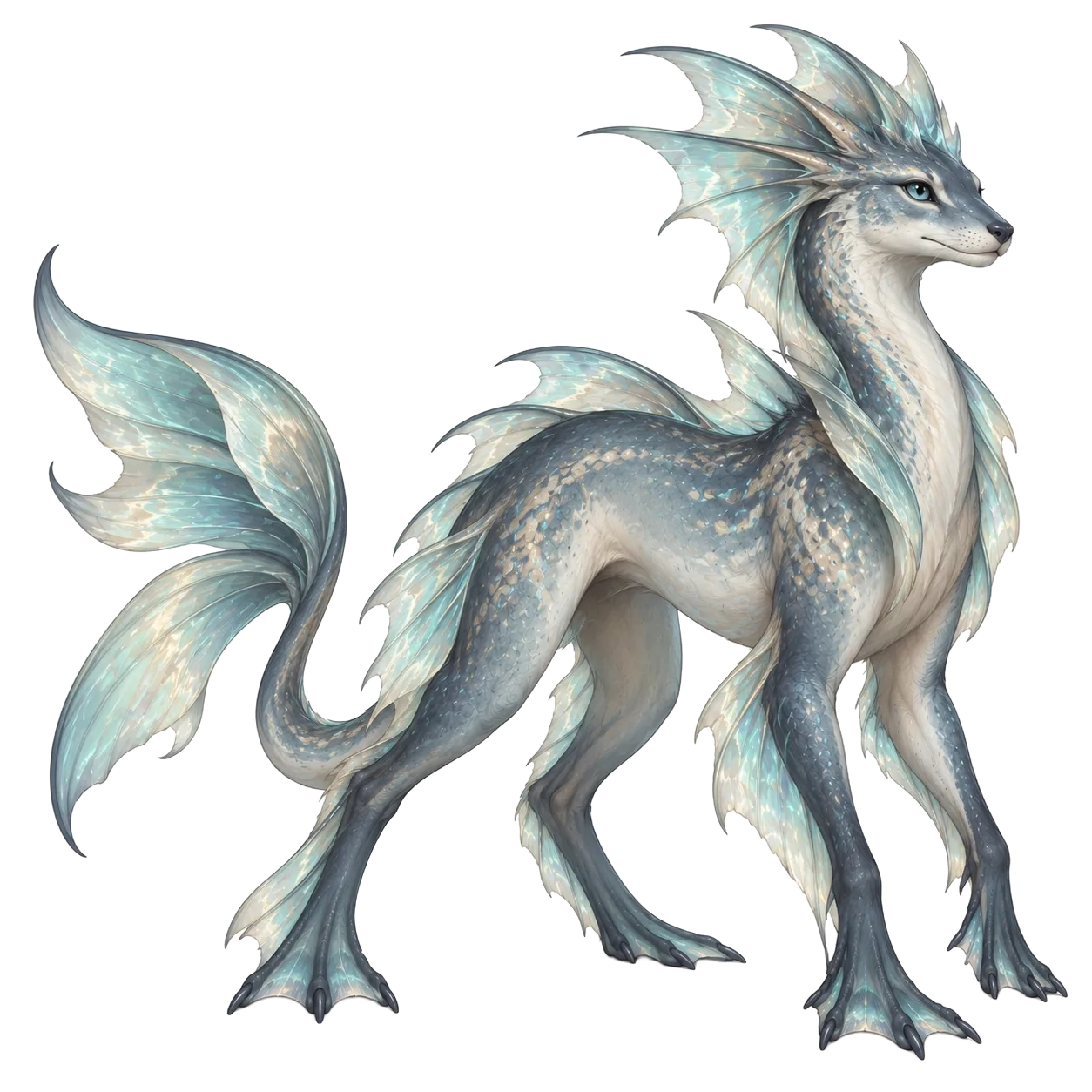
Tideglass Tideglass are translucent schooling fenborn whose skin contains layered reflective cells that shift from nearly clear to mirror-bright as muscles contract.
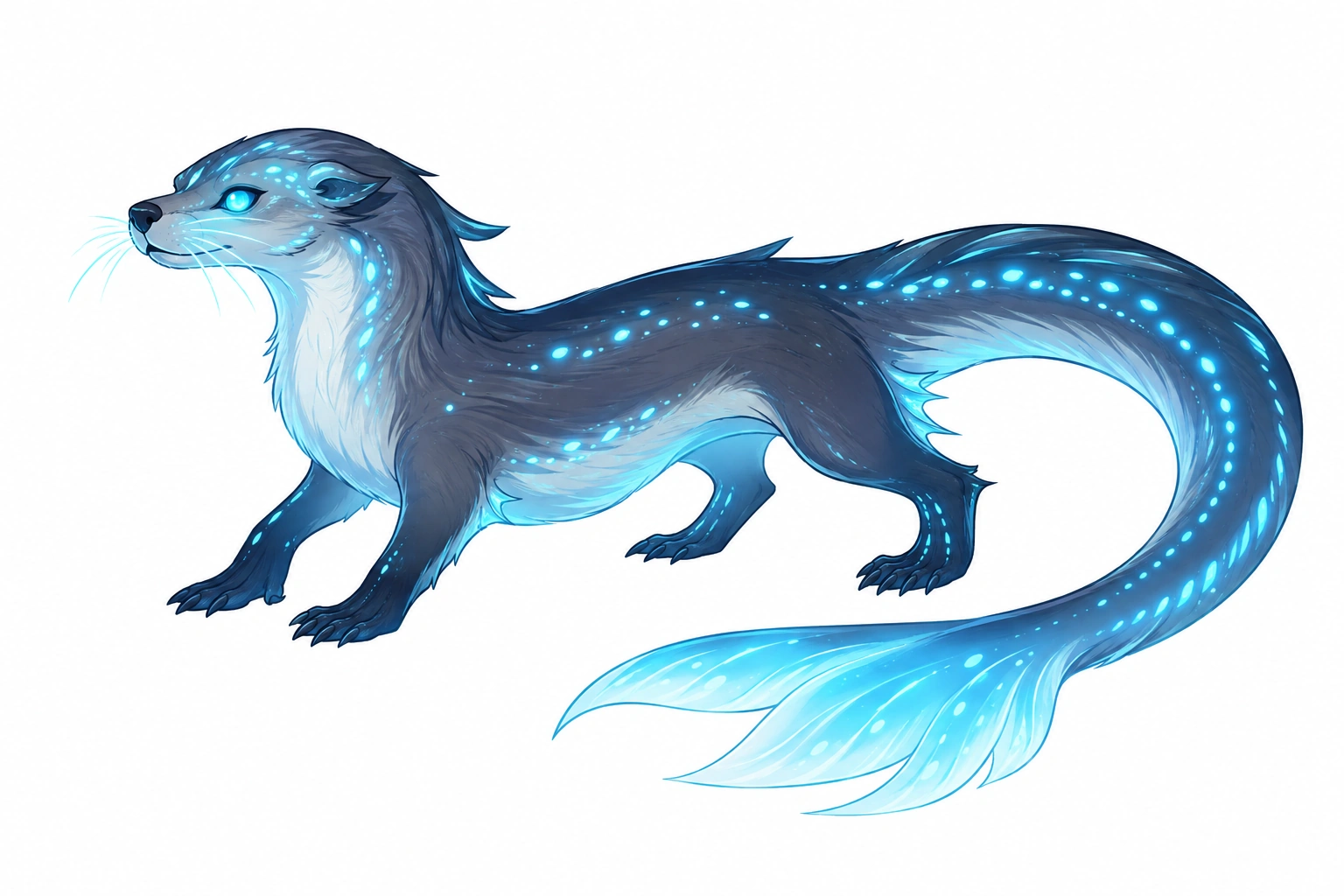
Vattenfira Vattenfira are semi-aquatic fenborn with luminous tail organs used for signaling and navigation in turbid water.
Observed beyond sanctioned battle
Tide describes periodic movement in water and other systems that respond to repeating gravitational and pressure cycles.